Traditional Thai medicine is being studied as a possible treatment for psoriasis, a chronic skin condition affecting millions of people worldwide. Research at a hospital in Prachin Buri has recorded improvements in some patients, although further clinical trials are needed.
People living in Thailand who suffer from psoriasis may be interested in research conducted at Chaophraya Abhaibhubejhr Hospital in Prachin Buri, a hospital known for its work in traditional Thai medicine and herbal treatments.
Two studies involving patients treated with Thai herbal formulations found that some experienced improvements in their skin symptoms and quality of life. However, the research also showed that many patients did not respond to treatment.
What is psoriasis?
Psoriasis is a chronic inflammatory skin condition caused by an abnormal immune response that accelerates the production of skin cells.
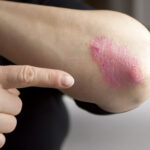
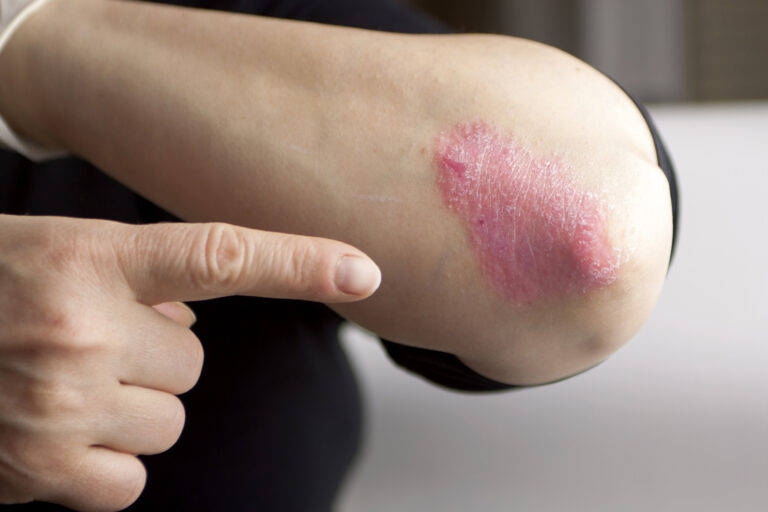
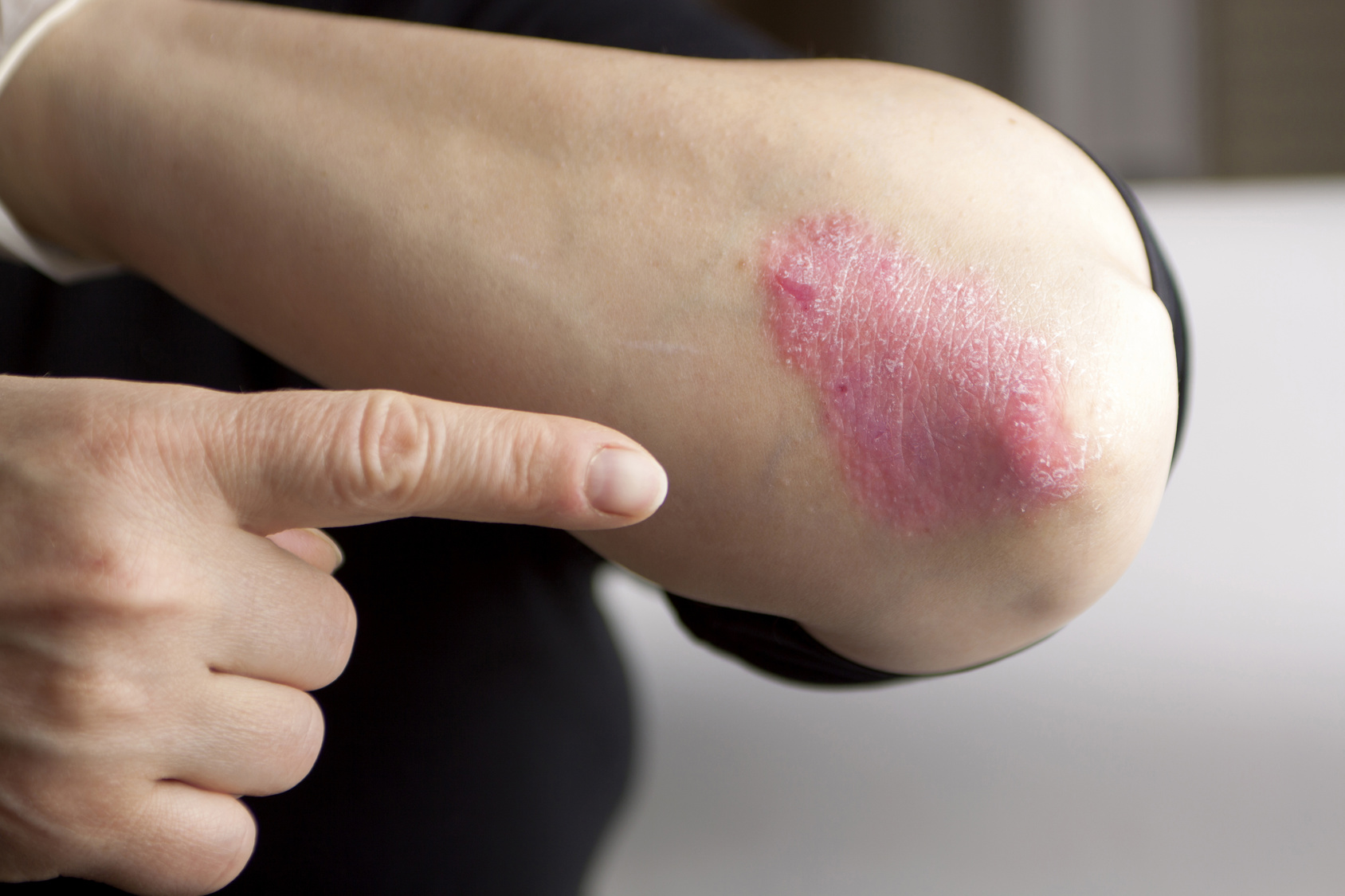
The condition commonly produces raised, inflamed patches of skin covered with white or silvery scales. These patches frequently appear on the elbows, knees and scalp, but they can also affect other areas of the body.
Symptoms may include itching, irritation, painful cracking of the skin and general discomfort. Some patients also develop psoriatic arthritis, which causes inflammation and pain in the joints.
Psoriasis is not contagious. It cannot be transmitted through physical contact, sharing towels or using swimming pools.
The condition often develops in cycles, with periods of worsening symptoms followed by periods when the skin improves.
Although several treatments can control psoriasis effectively, there is currently no permanent cure.
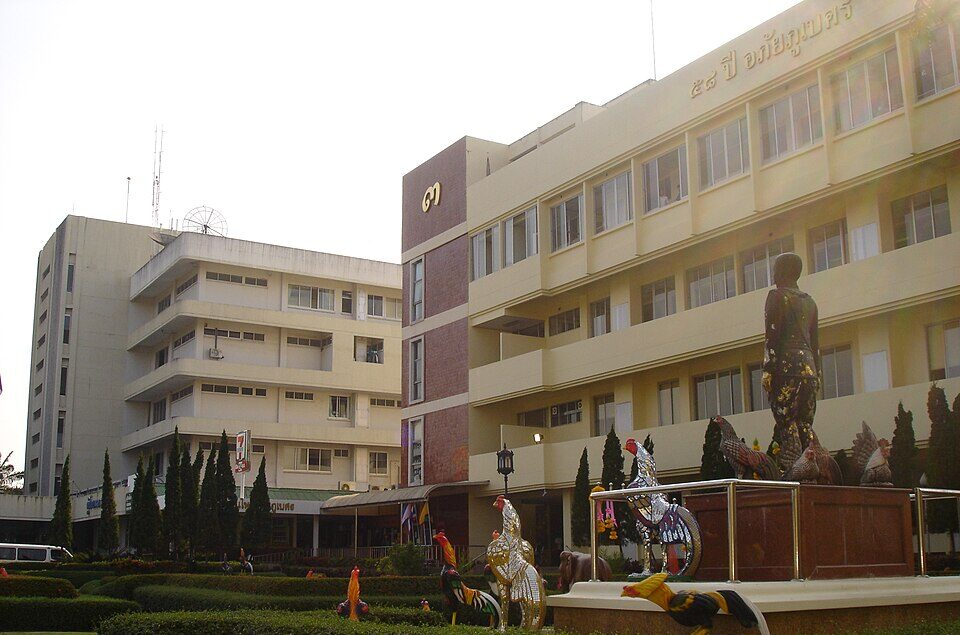
A Thai hospital specialising in herbal medicine
Chaophraya Abhaibhubejhr Hospital, located in Prachin Buri province east of Bangkok, has a long history of preserving and developing traditional Thai medicine.
The hospital is particularly well known for researching medicinal plants and developing herbal preparations based on traditional Thai medical knowledge.
Researchers at the hospital have studied whether herbal formulations used in traditional practice may offer relief to patients suffering from psoriasis.
Their work has included measuring changes in skin symptoms and the effects of the condition on patients’ daily lives.
Research found a 38 percent reduction in psoriasis severity
A retrospective study published in 2020 examined patients who had received herbal treatment at the hospital.
Researchers evaluated treatment outcomes using the Psoriasis Area and Severity Index (PASI), an internationally recognised method for assessing the extent and severity of psoriasis.
The average PASI score decreased from 5.41 before treatment to 3.33 afterwards.
This represented an improvement of approximately 38 percent in the average severity score.
Researchers also measured patients’ quality of life using the Dermatology Life Quality Index (DLQI), which evaluates how much a skin condition interferes with everyday activities and well-being.
The average DLQI score fell from 7.42 to 4.54, suggesting that patients experienced less disruption to their daily lives following treatment.
The study did not report adverse reactions among the patients reviewed.
However, because the research examined existing treatment records and did not include a randomised control group, the improvements cannot conclusively be attributed to the herbal preparations.
Other factors, including natural fluctuations in psoriasis symptoms and any additional treatments, may have contributed to the results.
Another study followed 297 patients
A separate study conducted by Silpakorn University in 2019 examined the medical records of 297 psoriasis patients treated with Thai herbal formulations at Chaophraya Abhaibhubejhr Hospital.
The researchers classified treatment outcomes into several categories.
- 21.2 percent of patients experienced a marked response.
- 18.9 percent experienced some improvement.
- 6.4 percent were recorded in a category described as complete recovery.
- 53.5 percent were classified as having no response.
The classification of complete recovery referred to the recorded treatment outcome. It does not mean that psoriasis was permanently cured or that symptoms could not return.
Unlike the 2020 study, this research also documented adverse reactions, including gastrointestinal symptoms, itching and swelling.
The findings indicate that although some patients improved during herbal treatment, more than half did not show a response according to the study’s classification.
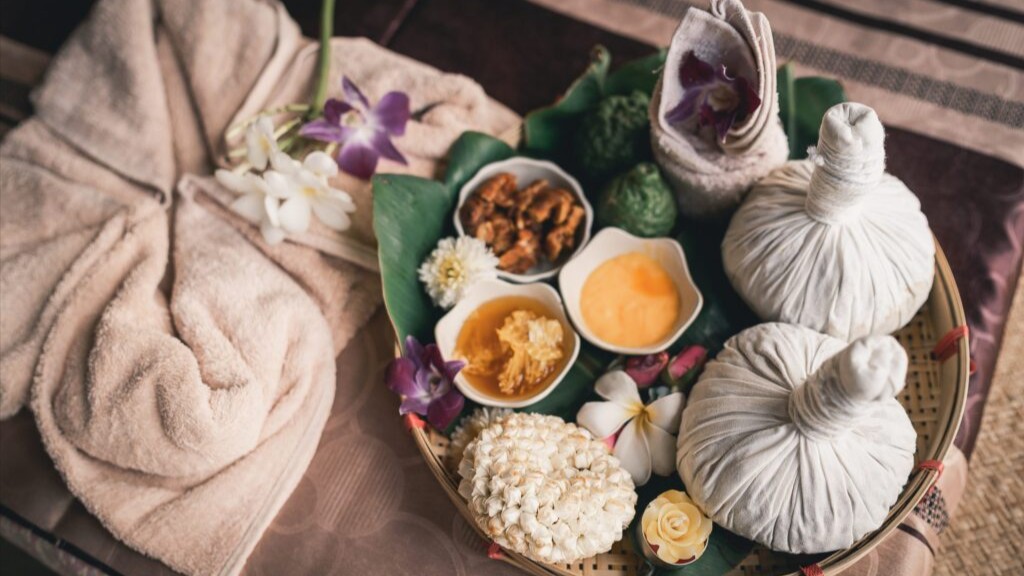
Can Thai herbal medicine replace conventional psoriasis treatment?
The available research does not establish that Thai herbal preparations are more effective than standard medical treatments or placebos.
Modern psoriasis treatment may include medicated creams and ointments, phototherapy using controlled ultraviolet light, medications that affect the immune system, and biological medicines that target specific inflammatory processes.
The appropriate treatment depends on the severity of the condition, the areas of skin affected, other medical conditions and whether the patient has psoriatic arthritis.
Herbal preparations contain biologically active substances, and their safety may depend on the ingredients, dosage, manufacturing quality and interactions with other medications.
Patients should therefore consult a qualified healthcare professional before starting herbal treatment, particularly if they are already taking prescribed medicines.
They should not discontinue existing psoriasis medication without medical advice.
What should foreign residents in Thailand know?
For expatriates who are interested in traditional Thai medicine, Chaophraya Abhaibhubejhr Hospital offers an example of a Thai healthcare institution combining traditional medical practice with clinical research.
However, the published studies do not establish which individual herbal formulation would be most appropriate for a particular patient, nor do they provide sufficient evidence to recommend replacing conventional psoriasis treatment.
Anyone considering treatment should ask a healthcare professional about the precise herbal ingredients, possible side effects, interactions with existing medicines and the expected treatment period.
Further randomised clinical trials and longer-term safety studies are needed to determine whether particular Thai herbal formulations can be used effectively alongside established psoriasis treatments.
Where is Chaophraya Abhaibhubejhr Hospital?
The hospital is located in Prachin Buri province, east of Bangkok.
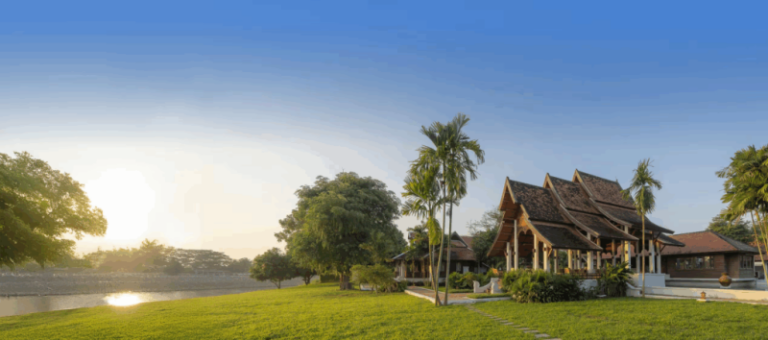
It is known both as a medical institution and for its historic buildings, traditional Thai medicine services and work involving medicinal plants.
Patients interested in obtaining further information about available services, appointments or herbal treatment should contact the hospital directly before travelling.
Hospital website: https://www.cpa.go.th/
Research sources:
2020 retrospective study, Journal of Health Research
2019 Silpakorn University research involving 297 patients
Medical information notice: This article provides general information about published research. It is not a recommendation to use particular herbal preparations or a substitute for professional medical advice.
About the Author