
If you plan to stay in Thailand for more than a typical vacation, finding a place to live is top priority.
RENTING in Thailand
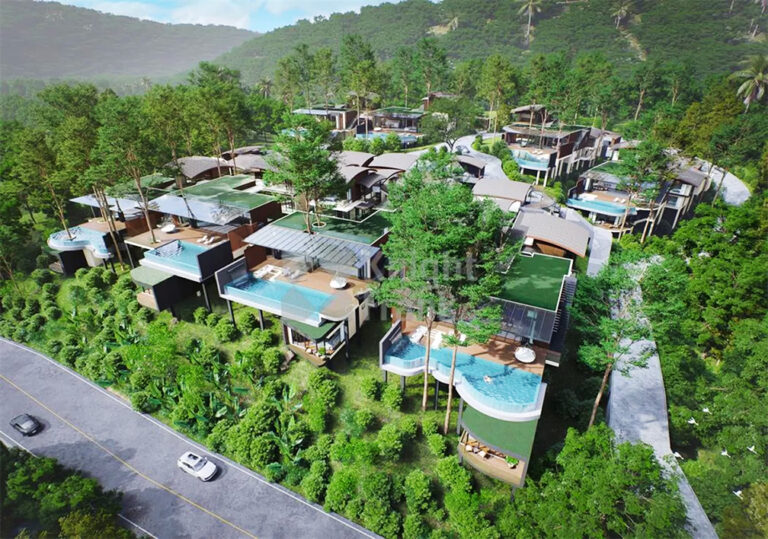
It is generally advisable to rent before considering buying property. Renting gives you time to understand locations, prices, and your long-term plans. Accommodation options include high-rise apartments, condominiums, houses, and beach properties.
Rental agreements vary, but most are one-year contracts with a security deposit. Early termination usually results in loss of the deposit, so terms should be reviewed carefully. Tenants are responsible for damage to the property and furnishings. At the end of the lease, the deposit is used to cover damages, with any balance returned.
Rental prices vary widely depending on location and quality. Condominiums may range from around 8,000 Baht per month to well above 100,000 Baht in premium locations. Higher rents typically reflect better facilities and convenience.
Negotiation is sometimes possible but not always expected.
Take lots of photos when moving in and preferrably while you conduct the inspection with the landlord to avoid disputes later.
Thailand recently passed new rental regulation covering landlords who own multiple units which provides better protection for tenants, including clearer contract terms and limits on deposits.
Register with Immigration (TM30)
Property owners must report foreign tenants to immigration. Hotels do this automatically, but private landlords may not. Ensure you are registered, as it is required for visa extensions and 90-day reporting. If necessary, you can submit the documentation yourself.
HOME PURCHASE in Thailand
Thai real estate rules are complex, and independent legal advice is essential before committing to any purchase.
Condominiums
Foreigners may legally own condominiums in their own name, provided that foreign ownership in the building does not exceed 49%. The property must be officially registered as a condominium.
Land
Foreigners cannot own land in Thailand. Leasehold agreements of up to 30 years are possible and must be registered with the Land Office. Any structure built on leased land is typically owned by the leaseholder, but legal advice is essential to ensure protection.
Professional assistance
Consult several real estate agents before making decisions. Many agents represent developers, so independent advice is important. Always appoint your own lawyer rather than relying on the seller’s or agent’s representative.
BUILDING YOUR OWN HOME in Thailand
Foreigners cannot own land, so building a house requires careful legal structuring. This often involves building on land owned by a Thai spouse or under a lease agreement. A qualified lawyer is essential.
Building permits are issued by local authorities and must be obtained before construction begins. The builder often handles the process, but it remains the owner’s responsibility to ensure compliance.
HOME DECORATION in Thailand
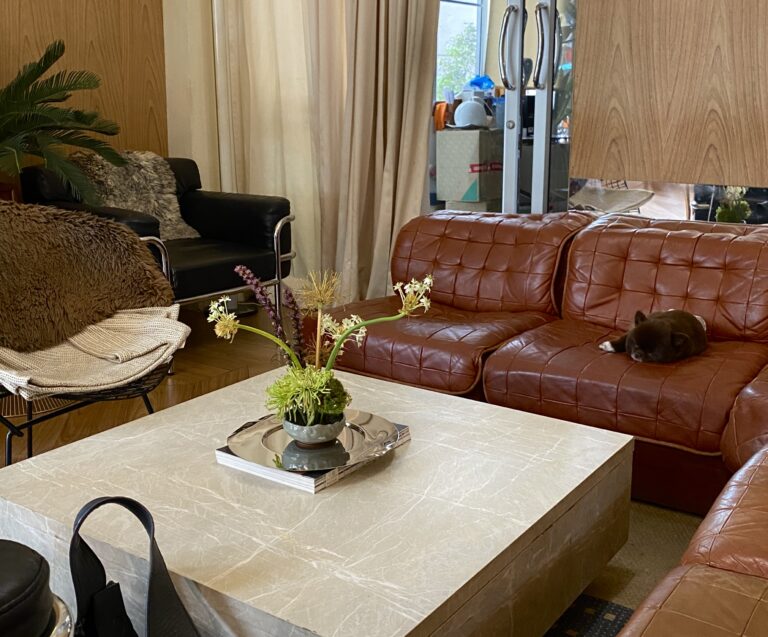
Once you move in, you will likely need to furnish or adjust your home. Thailand has a wide range of retail chains offering furniture, home decoration, and appliances at different price levels. Stores such as Index Living Mall, HomePro, and IKEA provide a broad selection of modern furniture, kitchenware, and household items at reasonable prices.
For more design-focused options, stores like SB Design Square and Koncept Furniture offer contemporary styles, while department stores such as Central carry a mix of imported and local brands. Appliances, electronics, and air-conditioning units are widely available at chains like Power Buy and Thai Watsadu.
Delivery services are efficient and affordable, and many stores offer installation services for larger items such as air-conditioners, washing machines, and kitchen fittings.
UTILITIES
Television and Internet
Cable and streaming services are widely available. Providers such as TrueVisions offer a variety of international channels. Many expats prefer online streaming services or use VPN solutions to access content from their home countries.
Postal and delivery services
Thailand Post operates nationwide, with branches in most neighbourhoods. In addition, private courier companies such as Kerry Express, Flash Express, and Lalamove provide fast and reliable delivery, often with next-day or even same-day service in urban areas.

HOUSEHOLD INSURANCE in Thailand
Household insurance is recommended to protect against unexpected damage or loss. If you are renting, do not rely on the landlord’s insurance alone, as it may not cover your personal belongings.
About the Author