The cost of living in Thailand can vary enormously depending on lifestyle and location. Renting a luxury condominium in central Bangkok, dining frequently at imported-food restaurants, using international schools, and enjoying nightlife on a regular basis may require a monthly income of 200,000–250,000 THB or more.
At the same time, you may rent a townhouse or condominium in suburban Bangkok for around 15,000 THB per month, and living costs outside Bangkok are often considerably lower. That lifestyle may require a monthly income of only 50,000–60,000 THB.
For many expatriates, a comfortable middle-class lifestyle consisting of local dining, occasional Western meals, moderate entertainment, and regular domestic travel may cost around 60,000–80,000 THB per month depending on family size and accommodation.
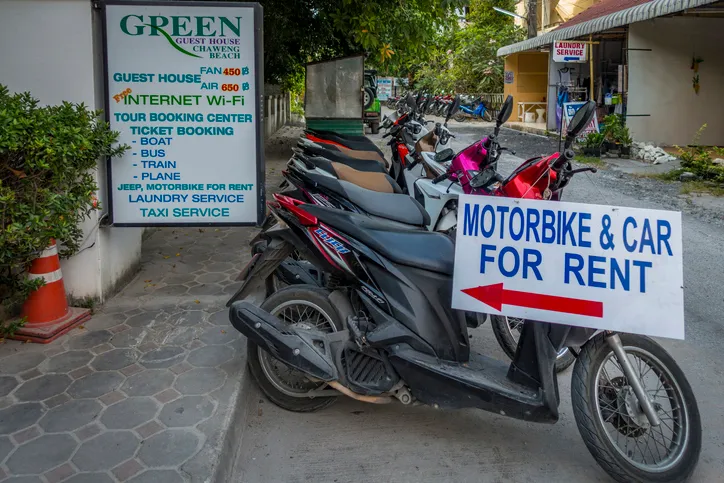
Food, accommodation, transportation, and local services can often be obtained at reasonable prices. Locations such as Bangkok, Surin, Nong Khai, Chiang Rai, or Nakhon Ratchasima are generally far less expensive than Phuket, Pattaya, or Ko Samui.
Imported products, international schools, private healthcare, and alcohol are among the expenses that can quickly increase a household budget.
Opening a bank account in Thailand
Foreigners are allowed to open bank accounts in Thailand, although procedures vary significantly between banks and even between individual branches.
Generally, foreigners fall into two categories:
- Those with a work permit and Non-Immigrant “B” visa.
- Those without a work permit, such as retirees, students, or spouses of Thai nationals.
If you belong to the first group, opening a savings account is usually straightforward. A passport, visa, and work permit are often sufficient.
Foreigners without a work permit can also open accounts, although requirements differ. Some banks may request proof of address, a lease agreement, a residency certificate, or evidence of long-term stay. Branches in areas with many expatriates are often more familiar with foreign customers.
The best advice is to try several branches and several banks. Different staff members may interpret internal rules differently.
Major Thai banks include Kasikornbank, Bangkok Bank, Siam Commercial Bank, Krung Thai Bank, and Bank of Ayudhya.
Once your account is opened, Thai banking apps are extremely efficient and become central to daily life. Most payments in Thailand today are made through QR-code systems linked to mobile banking.
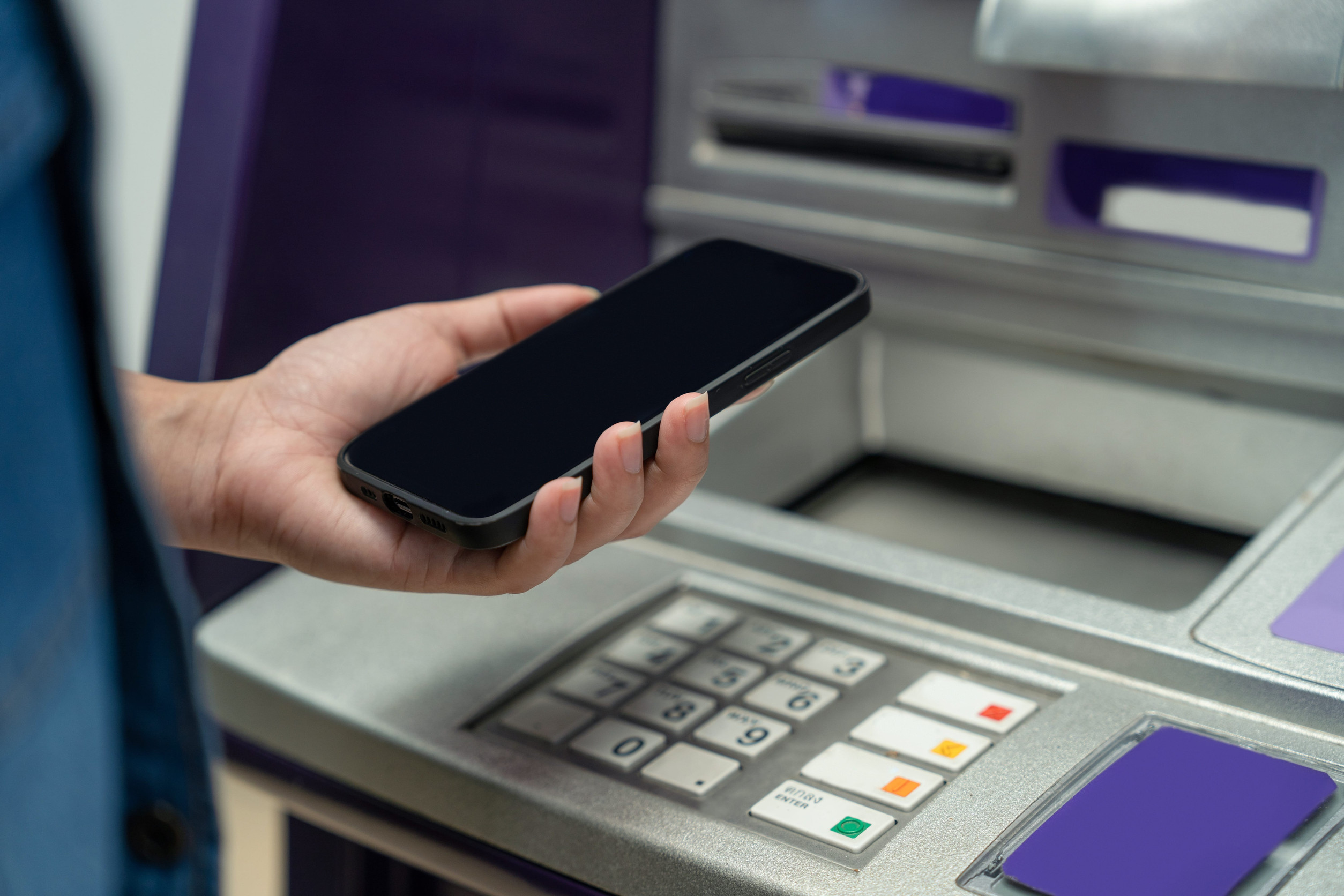
If opening a local account proves difficult initially, you can still use international bank cards and transfer money from abroad. However, foreign ATM withdrawals usually involve fixed local bank fees in addition to charges imposed by your home bank.
Private banking and investments
One of the advantages of working abroad can be the opportunity to save money more efficiently. Thailand has long attracted international wealth managers and financial advisers offering investment products to expatriates.
Before committing funds to any investment adviser or wealth management company, carefully research the company’s reputation, regulatory status, and fee structure. Many expatriates receive unsolicited invitations to financial seminars or investment meetings shortly after arriving in Thailand.
It is generally advisable to seek recommendations from trusted professional networks or established banking institutions serving international clients in Asia.
Income tax in Thailand
Everyone working in Thailand or earning taxable income in Thailand must obtain a taxpayer identification number issued by the Revenue Department.
A foreigner who stays in Thailand for more than 180 days during a calendar year is generally considered a Thai tax resident.
Tax residents are normally required to declare income earned in Thailand and, under current regulations, certain foreign income brought into Thailand. Tax rules continue to evolve, and professional tax advice is recommended for anyone with international income, investments, or pensions.
Foreigners staying fewer than 180 days are generally taxed only on Thai-sourced income.
Thailand has tax treaties with many countries, including the Nordic countries, designed to reduce double taxation.
Deductible expenses and allowances
Thai tax law allows a variety of deductions and allowances. These may include:
Standard deductions for salary income
Allowances for spouses and dependent children;
Certain education expenses;
Support for elderly parents;
Life insurance premiums;
Retirement fund contributions;
Mortgage interest for residential property in Thailand;
Charitable donations and educational contributions.
Tax regulations and deduction limits change regularly, so updated information should be obtained each tax year.
Withholding tax
Employers in Thailand are required to withhold income tax directly from salaries and submit the payments to the Revenue Department.
At the end of the tax year, employees file a tax return summarizing total income, deductions, and taxes already paid. Depending on the calculation, the taxpayer may either receive a refund or have to pay additional tax.
Social Security contributions
Employers and employees in Thailand both contribute to the Social Security Fund. Contributions are deducted monthly from salaries and provide access to benefits such as medical care, maternity benefits, unemployment support, disability coverage, and pensions.
Foreign employees legally working in Thailand generally participate in the Thai social security system.
Companies with larger workforces may also contribute to the Workmen’s Compensation Fund, which provides compensation in cases of workplace injury or death.
If you stop working in Thailand, it may still be possible to continue contributing voluntarily to maintain certain benefits. Contact the Social Security Office for updated conditions and contribution options.
About the Author