
Mother with ill child
Medical services in Thailand have gained a strong international reputation among expatriates and medical tourists for being both high in quality and relatively affordable compared to many Western countries. Thailand’s healthcare system offers a wide range of options, including public hospitals, private hospitals, specialist clinics, dental clinics, and wellness centres. In major cities and tourist destinations such as Bangkok, Phuket, Chiang Mai, and Pattaya, high-quality medical facilities are widely available.
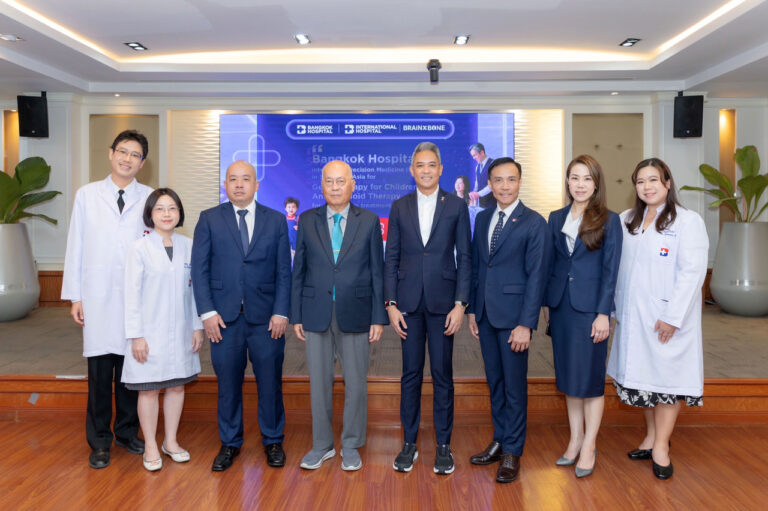
Thailand’s leading private hospitals are often modern international-standard facilities with English-speaking staff, advanced medical equipment, and short waiting times. Hospitals frequently recommended by expatriates include Bangkok Hospital and Samitivej Hospital and in recent years MedPark Hospital.
One noticeable difference compared to many Nordic healthcare systems is speed and accessibility. Appointments with specialists can often be arranged quickly, sometimes even on the same day. Pharmacies are also common and generally well stocked, with many medications available at lower prices than in Europe.

However, it is essential to ensure that you have valid health insurance coverage while living in Thailand. Without insurance, medical expenses at private hospitals can become extremely expensive, particularly in cases involving surgery, intensive care, or long-term treatment. Unexpected accidents can happen anywhere and at any time, whether on a motorbike, during travel, or simply while walking through a busy city street.
A word of caution is especially important for travellers who decide to extend their stay beyond their original holiday plans. Many visitors forget to extend their travel insurance at the same time, leaving themselves uninsured during their extended stay in Thailand.
When choosing health insurance, check carefully whether the policy covers:
- inpatient and outpatient treatment
- motorbike accidents
- pre-existing medical conditions
- emergency evacuation
- long-term stays in Thailand
Some insurance companies also place age limits or exclude certain medical conditions, so reading the policy details carefully is important.
Vaccinations and tropical health in Thailand
Regarding vaccinations, travellers should consult the recommendations issued by health authorities in their home countries. Commonly recommended vaccinations for Thailand may include hepatitis A, hepatitis B, tetanus, and typhoid, depending on travel style and duration of stay.
For most people living ordinary urban lifestyles in Thailand, the health risks are relatively low. However, travellers planning trekking, rural travel, animal contact, or extended stays in remote areas should seek updated medical advice before arrival.
Thailand’s tropical climate also means that heat exhaustion, dehydration, food poisoning, and mosquito-borne illnesses can occasionally affect trav ellers and newly arrived expatriates. Basic precautions such as drinking sufficient water, using mosquito repellent, and avoiding unsafe food are usually sufficient.

Medical tourism in Thailand
Over the past two decades, Thailand has become one of Asia’s leading destinations for medical tourism. Patients travel from around the world for procedures ranging from dental treatment and cosmetic surgery to heart surgery, orthopaedics, fertility treatment, and health screenings.
One major advantage of private medical treatment in Thailand is cost-effectiveness. Compared to many Western countries, treatments are often significantly cheaper while still maintaining high standards. Waiting times are generally short, and many hospitals provide dedicated international departments to assist foreign patients.
For many visitors, the possibility of combining medical treatment with recovery in a tropical environment has made Thailand particularly attractive.
At the same time, patients should still approach all medical procedures carefully. Standards may vary between providers, and legal recourse or complaint procedures may differ from those in their home countries. Thorough research before any major treatment is strongly recommended.
Dental care and specialist treatment
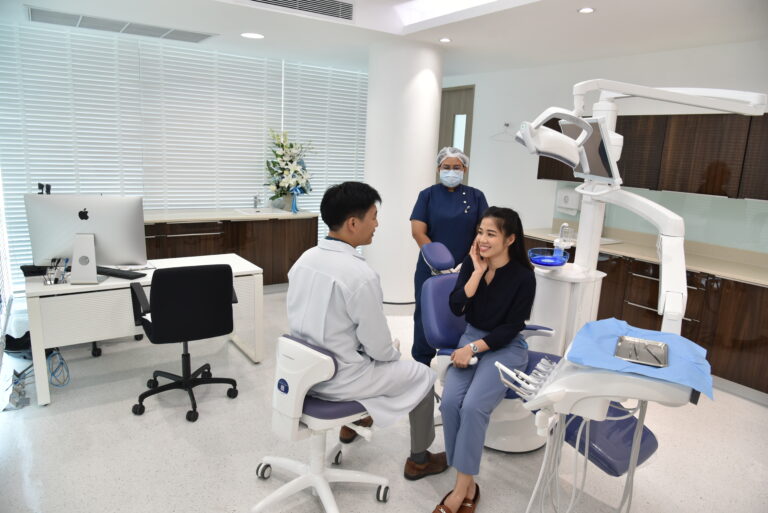
Thailand is also well known for dental care. Many expatriates and medical tourists choose Thailand for routine dentistry, implants, orthodontics, and cosmetic dental procedures due to the combination of modern clinics, skilled dentists, and comparatively lower prices.
Specialist clinics for dermatology, eye care, fertility treatment, physiotherapy, and cosmetic procedures are widely available in major cities.
Chiropractic services and massage in Thailand
Thailand also offers chiropractic services and other forms of physical therapy. Chiropractors typically provide examination, diagnosis, and treatment related to the musculoskeletal system and may also recommend exercise and rehabilitation programs.
Thailand is internationally famous for traditional Thai massage, with massage shops found almost everywhere. While massage can be excellent for relaxation and general wellbeing, massage clinics should not be considered a substitute for professional medical diagnosis or treatment.
Healthcare for Thai citizens and employees
One advantage of living and working in Thailand is access to the Thai social security healthcare system for employees legally working for companies or government organisations.
Employees and employers both contribute to the Social Security Fund, which provides access to designated hospitals and basic healthcare coverage. However, business owners, freelancers, and some company directors may not automatically qualify and often rely instead on private insurance.
Thailand currently operates three major healthcare systems for Thai citizens:
• the Universal Healthcare Scheme
• the Social Security healthcare scheme
• the Civil Servant Medical Benefit Scheme.
These systems together provide healthcare access to the majority of the Thai population.
For expatriates planning long-term residence in Thailand, understanding healthcare options and maintaining proper insurance coverage should be considered one of the most important parts of relocation planning.
About the Author