
Choosing a new school, pre-school, or kindergarten when moving to another country is one of the most important decisions parents face. Every school has its own educational philosophy, teaching style, curriculum, and community atmosphere, and the number of options in Thailand can initially feel overwhelming.
Finding the right balance between your child’s personality, academic needs, language abilities, and your family’s long-term plans is rarely simple. What works perfectly for one family may not work at all for another.
Local vs International schools in Thailand
The first major decision is whether your child should attend a local Thai school or an international school.
A local Thai school can be an excellent option, especially for younger children or children with Thai family background. However, for children who do not speak Thai, the adjustment may be challenging. Teaching methods, classroom culture, discipline, and communication styles can differ significantly from what many European families are used to.
Local schools generally provide stronger integration into Thai society and naturally help children develop Thai language skills much faster. Tuition fees are also considerably lower than those of international schools.
At the same time, international schools remain the preferred option for most European expatriate families. International schools usually teach in English and follow British, American, IB (International Baccalaureate), or other internationally recognised curricula.
International schools also tend to offer an educational environment more familiar to Western families, although the student body itself is often highly international. Children may grow up surrounded by classmates from dozens of different countries, which many families see as one of the greatest advantages of international education in Asia.
Children raised abroad often develop a broader international outlook and become more adaptable socially and culturally. At the same time, parents sometimes experience mixed emotions when their children gradually become more attached to the new culture than to the one their parents originally came from.
There is no universally correct choice between local and international education. The right decision depends on your child’s age, personality, language skills, future educational plans, and your family’s own priorities.
International schools in Bangkok
Most expatriate families in Bangkok choose among a relatively small group of well-established international schools. Among the better-known schools in Bangkok are:
- Bangkok International Preparatory & Secondary School (Bangkok Prep)
- Bangkok Patana School
- Dulwich College International School Bangkok
- ISB International School Bangkok
- St Andrews International School Bangkok, a Nord Anglia Education School
- Wycombe Abbey International School Bangkok
The Eastern Seaboard area has become increasingly attractive for expatriate families working in industry, logistics, and manufacturing and you can find many international schools in this area as well.
Phuket also offers several international schools. As the expatriate population on Phuket has grown, many international and bilingual schools have also developed across the island.
Mother tongue education in Thailand
Many European children living abroad continue to study their mother tongue through online classes, weekend schools, or supplementary language programs. Maintaining language skills from home can become especially important if the family later relocates again or eventually returns home.
Important factors when choosing the right school
Once you begin collecting brochures and visiting campuses, it quickly becomes difficult to compare schools objectively. Keep your family’s priorities in mind while also focusing on your child’s personality, strengths, and emotional needs.
Below are some of the most important factors parents should consider.
How much does the school cost?
Before comparing academic programs, first determine what level of tuition your family can realistically afford.
Local Thai schools are generally inexpensive, while international schools in Thailand can range from relatively affordable to extremely expensive. Annual tuition fees may range from below 100,000 THB to well above 900,000 THB depending on the school and grade level.
In addition to tuition, many schools charge registration fees, development fees, transportation fees, meal plans, uniforms, technology fees, and deposits.
More expensive does not automatically mean better. Smaller schools with fewer facilities can sometimes offer a stronger sense of community, more personal attention, and a better social environment for certain children.
How far is the school from your home?
Distance matters less than travel time.
Traffic in Bangkok and other major cities can be extremely heavy, particularly during school hours. A school located only a few kilometres away may still require over an hour of travel during rush hour.
Parents should realistically consider:
- Daily commuting time
- School bus availability
- Transportation costs
- Coordination between siblings
- The impact of travel on the child’s daily routine
Long commuting times can become exhausting for both children and parents over time.
What reputation does the school have?
School marketing materials naturally present the school in the best possible light, but conversations with current parents often provide more realistic insights into the school environment, teacher quality, communication, and student wellbeing. Therefore, if possible, you should talk to as many parents as possible.
At the same time, remember that parents often become emotionally invested in defending the school they themselves selected.
The age of the school alone is not a guarantee of quality. Some newer schools offer modern facilities and innovative teaching methods, while some older schools benefit from long-established reputations and alumni networks.
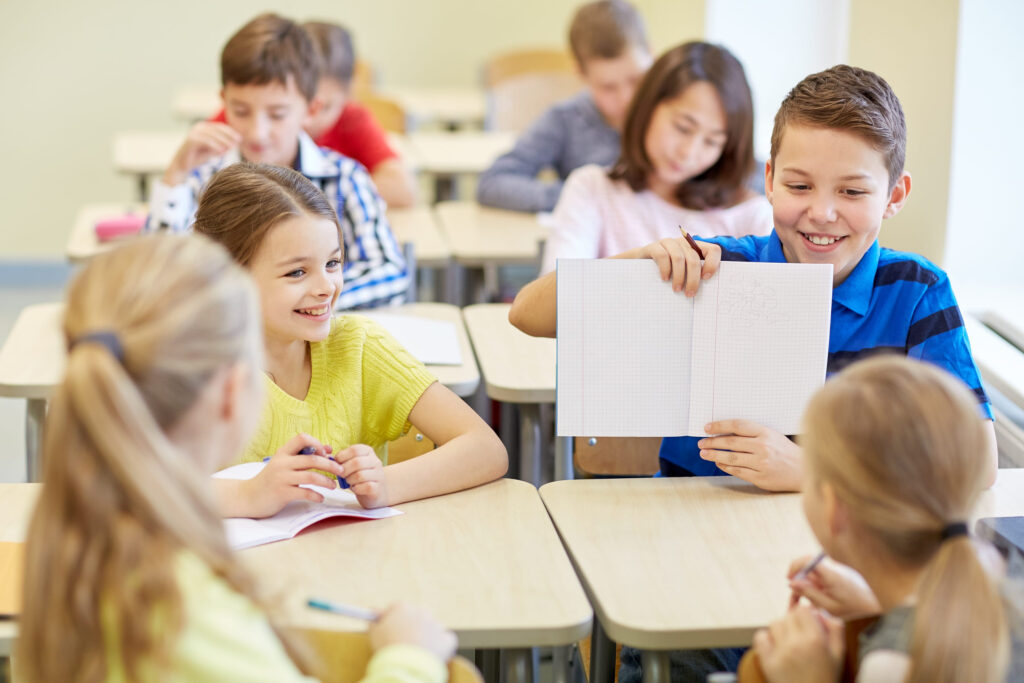
What are the school’s educational principles?
Strong schools generally share certain characteristics regardless of curriculum.
One important factor is whether the school maintains high expectations while still supporting individual students according to their abilities.
Children learn differently and adapt differently when moving abroad. A good school should not simply apply pressure equally to all students, but instead monitor individual progress carefully and adjust teaching methods when necessary.
This is especially important for children learning in a second language. A student may understand mathematics perfectly in their native language while struggling with English terminology in class.
Parents should ask how the school supports:
- Children with limited English ability
- Students facing learning challenges
- Emotional adjustment after relocation
- Integration of new students
Which curriculum is best?
International schools in Thailand most commonly follow:
- British Curriculum
- American Curriculum
- International Baccalaureate (IB
- Australian Curriculum
- Hybrid international programs
The right curriculum may depend on where your family expects to live in the future.
Families planning to return to Europe may prefer schools aligned with European university pathways, while globally mobile families often prefer IB programs because they are widely recognised internationally.
Parents should also ask about examination systems, graduation pathways, and university acceptance rates.
Language support and academic transition
Some schools require students to already possess a certain level of English proficiency before admission.
Others provide English language support programs, pre-language courses, or additional tutoring to help children transition more smoothly.
This can be particularly important for children arriving directly from non-English-speaking school systems.

Activities outside the classroom
Education is not only academic. Parents should also consider what opportunities the school offers in sports, arts, music, science, technology, leadership, and community service.
Many international schools in Thailand invest heavily in sports facilities, swimming pools, gymnasiums, theatres, and technology centres. However, children have different personalities and interests. One child may thrive in competitive sports while another is more interested in robotics, music, coding, or performing arts.
After-school activities also help children build friendships more quickly and integrate socially into their new environment.
Are the teachers qualified?
Parents should not hesitate to ask questions about teacher qualifications and staff turnover.
Important questions include:
What educational qualifications do teachers hold?
How long do teachers typically remain at the school?
Does the school have experienced counsellors?
How are new students supported?
How does the school communicate with parents?
The relationship between teachers, students, and parents often becomes even more important when families are adapting to life in a new country.

Watch your child carefully
Your role as a parent does not end once the school has been selected.
Moving to another country, adapting to a new language, and building new friendships can be emotionally exhausting for children, even when they appear to adjust well initially.
Spend time talking with your child regularly about school life, classmates, teachers, and friendships. Listen carefully to both the positive and negative experiences.
Many children experience a “honeymoon phase” during the first weeks or months abroad, followed later by frustration or emotional adjustment.
Parents should pay attention to changes in behaviour, motivation, confidence, sleep patterns, or reluctance to attend school.
At the same time, patience is extremely important. Children often need time before they fully settle into a new environment and begin to feel confident socially and academically.
Helping children build friendships outside the classroom can make a major difference. Inviting classmates home, arranging playdates, and participating in school activities often accelerates both social integration and language development.
Final thoughts
There is no perfect formula for choosing the ideal school.
Many parents ultimately rely on instinct after visiting campuses, meeting teachers, and observing how their child reacts to the environment.
The most important thing is that both parents and child feel comfortable and confident with the choice.
Even after careful research, no parent can fully predict whether a child will truly thrive at a particular school. Children develop differently, adapt differently, and sometimes surprise us completely.
However, careful preparation, realistic expectations, and active parental involvement greatly increase the chances of a successful and enjoyable school experience abroad.
For most families, the transition period is temporary. After a few months, many children become remarkably comfortable with their new school, new friends, and new international environment.
About the Author