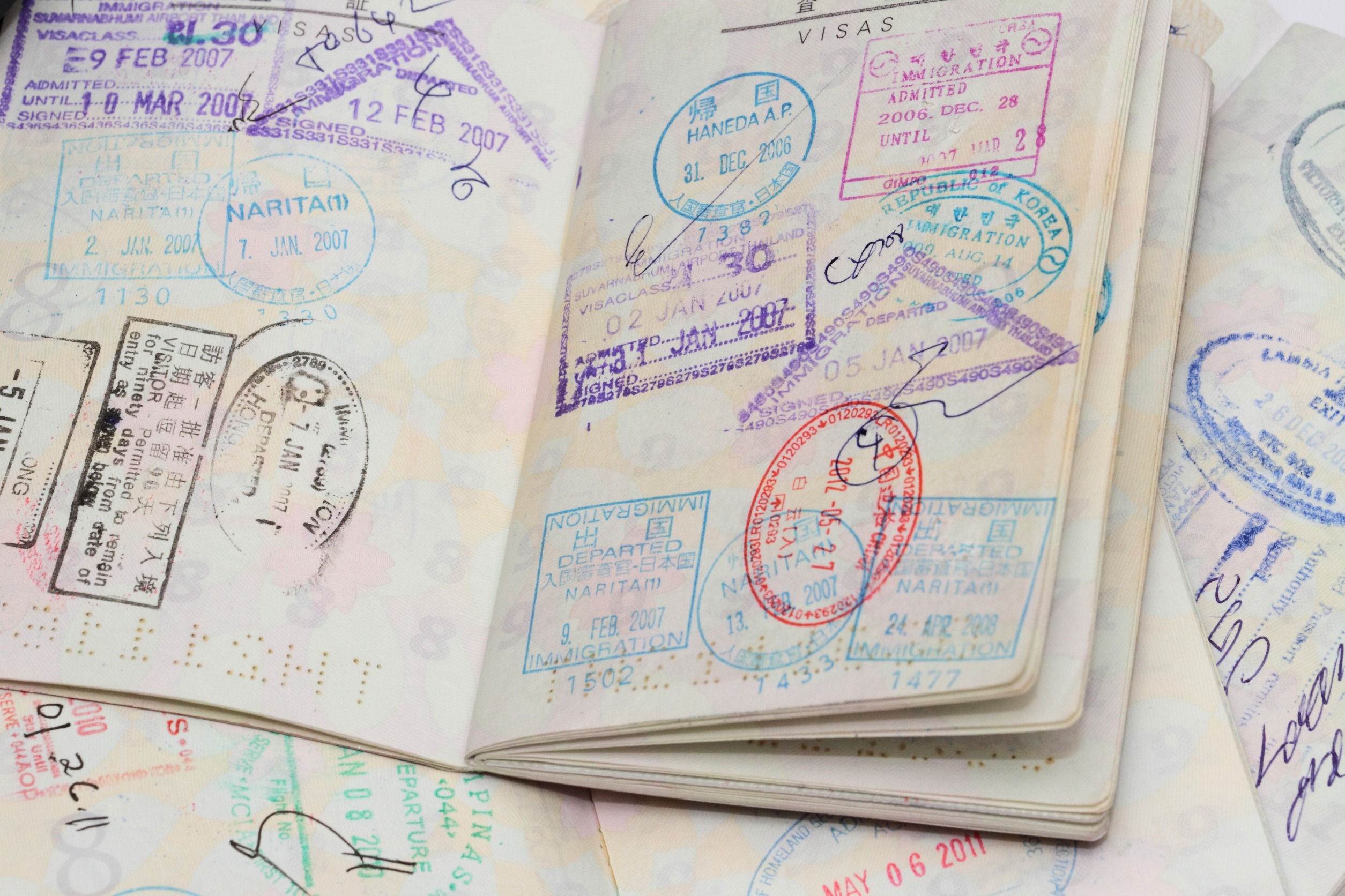
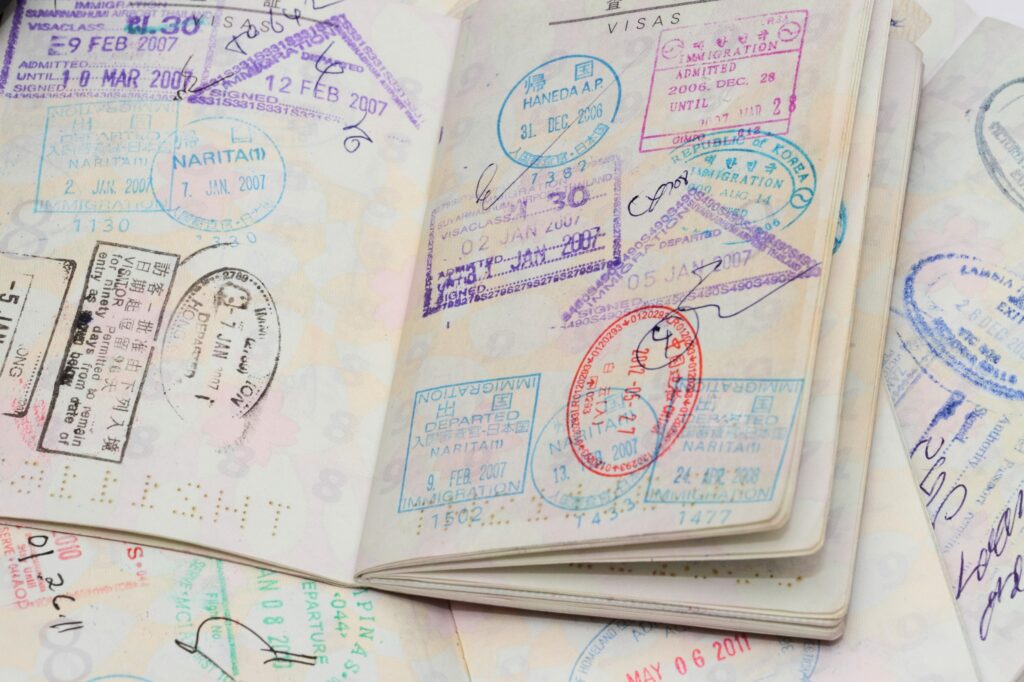
Do it now: Open your passport. Look at the entry stamp you received when you arrived in Thailand. The date shown is the last day you are permitted to stay in the Kingdom.
If you arrived without applying for a visa in advance, you will normally receive a visa exemption stamp allowing a stay of up to 30 days, depending on your nationality. This is often incorrectly referred to as a “visa on arrival,” but most Nordic citizens enter under the visa exemption scheme.
Thailand has introduced e-visa systems in most countries, requiring applications to be completed online before travel. Always check the relevant embassy website for current procedures.
The link to the online application is:
https://thaievisa.go.th/
General requirements for entry:
a) Your passport must be valid for at least 6 months on arrival
b) You may be asked to show proof of onward travel
c) You should be able to demonstrate sufficient funds for your stay
Airlines may deny boarding if these requirements are not met, and immigration may refuse entry on arrival.
Thailand Digital Arrival Card (TDAC)
Before arriving in Thailand, all travellers are required to complete the Thailand Digital Arrival Card (TDAC) online. This replaces the old paper arrival card previously handed out on flights.
The TDAC must be submitted within 72 hours before arrival. You will need to provide passport details, flight information, and the address of your first accommodation in Thailand. Airlines may also remind passengers to complete it before boarding. Once completed, you will receive a confirmation which should be kept on your phone or printed for presentation on arrival.
The form is available online via the official immigration website. There are several fake sites trying to make you click on the wrong link, so watch out. The correct link is https://tdac.immigration.go.th/
Failure to submit the TDAC in advance may result in delays at immigration.
Tourist Visa
A Tourist Visa can be applied for at any embassy or consulate general outside Thailand. Applicants should submit online a completed application form with a recent photograph. The e-visa website is here: https://www.thaievisa.go.th/
The application fee is 1,000 Baht (subject to change without notice).
Arrival with a Tourist Visa normally gives permission to stay in Thailand for up to 60 days, regardless of whether you arrive by air or overland. Immigration officers may however question frequent entries if they believe the visa system is being used for long-term stay rather than genuine tourism, so travellers with many recent entries should consider applying for an appropriate long-term visa instead.
Education Visa
Students enrolled in government-approved educational institutions can apply for a Non-Immigrant ED (Education) visa. The e-visa website is here: https://www.thaievisa.go.th/ In most cases, the application is arranged through the school, which will guide you through the process and required documentation.
You will need to leave the country to obtain the correct E-visa via the e-visa system. They will need proof that you are genuinely outside Thailand in the country you claim.
Thai language courses are a popular option. Tuition fees are usually paid in advance and are separate from the visa fee, which is typically around 2,000 Baht (subject to change).
Business Visa
If you want to work in Thailand, you will need a Business visa (non-Im ‘B’). You have to apply via the online system at an embassy outside Thailand. The e-visa website is here: https://www.thaievisa.go.th/ The easiest is to start from your home country, but if you are already in Thailand, we suggest applying at the Thai embassy in Singapore. Applicants start by logging into the website https://singapore.thaiembassy.org/en/index
The key documents typically include:
a) Letter from the employing Thai company stating your position and salary
b) Company registration documents
c) Pre-approval letter from the Ministry of Labour for your work permit, which your future employer must get for you.
A Business visa does not itself allow you to work, but it is required before applying for a work permit. Additional documentation may be required depending on your profession, for example for teachers.
Non “O” Visa
Applicants who are married to a Thai national, or who wish to stay for family or certain volunteer purposes, can apply for a Non-Immigrant “O” visa. This visa category is also commonly used for long-term stays based on family ties.
Applications are increasingly handled through e-visa systems, depending on your country of residence.
Retirement Visa
Those aged over 50 may apply for long-term stay in Thailand under a retirement visa. This is usually based on a Non-Immigrant “O” or “O-A” visa, followed by extensions inside Thailand.
To qualify, you must typically provide:
a) Copy of your passport
b) Passport photos
c) Proof of funds (e.g. 800,000 Baht in a Thai bank account), or
d) Proof of monthly income (around 65,000 Baht)
e) Additional documentation such as medical certificate or background check, depending on visa type
Before making long-term commitments, many expatriates choose to rent property initially.
Visa agents are useful and not expensive, but check the reputation of the agent. You don’t want an agent that gives you a fake visa.
Visa runs
Most foreign visitors entering Thailand without a visa receive a visa exemption allowing a stay of up to 30 or 60 days, depending on current regulations and nationality.
Short extensions can usually be obtained at immigration offices. Repeated “border runs” are no longer a reliable method for extending stays, and immigration officers may refuse entry if they believe the system is being used to avoid proper visas.
Visa run by air to apply for a proper visa is another option. Malaysia and Singapore are good destinations. There are frequent, inexpensive flights to and from Thailand, and there is no tourist visa fee or tourist visa application process for arriving in these countries.
Thailand has rolled out its e-Visa system worldwide. In most cases, there is no need to visit the embassy physically. However, if a physical appointment is required, always use official channels. Avoid unofficial intermediaries or extra fees. No embassy should require an under-the-table “urgency fee”.
About the Author